Hairbrush: A Timeless Handwritten Font for Creative Expression
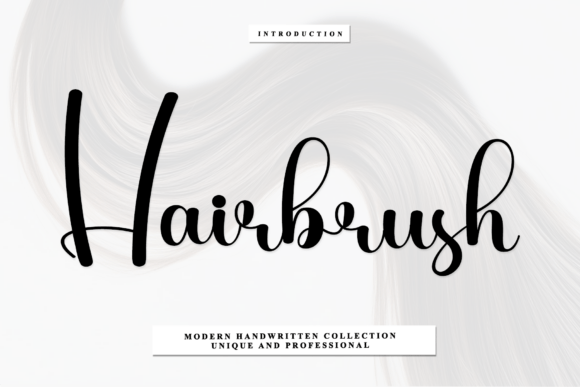
In the world of typography, where digital precision often dominates, there is a quiet charm in the imperfections of handwritten fonts. One such font that stands out is Hairbrush, a lovely and timeless handwritten font that brings a personal touch to any design. Whether you're working on a logo, branding project, or a simple quote, Hairbrush offers a unique aesthetic that can elevate your work from ordinary to extraordinary.
The beauty of Hairbrush lies in its natural flow and organic feel. Each letter is crafted with care, giving it a distinct character that mimics the subtle variations of real handwriting. This makes it ideal for projects that require a more human and approachable look. Unlike many other fonts that can feel rigid or impersonal, Hairbrush adds warmth and personality to any text, making it a popular choice among designers and creatives.
Applications of Hairbrush in Design
Hairbrush is incredibly versatile, making it suitable for a wide range of applications. In the realm of branding, it can be used to create logos that convey a sense of authenticity and creativity. For instance, a boutique clothing brand might use Hairbrush to give their logo a handcrafted feel, reinforcing the idea that their products are made with care and attention to detail.
When it comes to marketing materials, Hairbrush can be used to add a personal touch to posters, flyers, and social media graphics. Its flowing style makes it particularly effective for slogans and taglines that aim to connect emotionally with the audience. Imagine a coffee shop using Hairbrush in their promotional materials to evoke a cozy, homey atmosphere that resonates with customers.
In the world of digital content creation, Hairbrush can be used to enhance the visual appeal of blogs, websites, and presentations. It works well as a heading font, drawing attention to key points and adding a creative flair to the overall design. For example, a blog post about self-care might use Hairbrush for the title to create a more inviting and friendly tone.
Advantages of Using Hairbrush
One of the main advantages of Hairbrush is its ability to convey emotion and personality. Because it mimics handwriting, it can make a design feel more genuine and relatable. This is especially valuable in industries where building trust and connection with the audience is crucial, such as in the arts, education, and wellness sectors.
Another benefit of Hairbrush is its readability. Despite its cursive style, the font is designed to be easily legible, even at smaller sizes. This makes it suitable for both large-scale designs, like billboards, and more intimate formats, such as business cards or packaging labels. The balance between aesthetics and functionality ensures that Hairbrush can be used effectively in a variety of contexts.
Additionally, Hairbrush offers a level of uniqueness that is hard to achieve with more common fonts. Its distinctive style allows designers to stand out in a crowded market, making it an excellent choice for those looking to create a memorable brand identity. Whether used in a minimalist design or a bold statement, Hairbrush has the power to make a lasting impression.
Considerations When Using Hairbrush
While Hairbrush is a powerful tool, it's important to use it thoughtfully. Overusing the font can lead to a cluttered or unprofessional appearance, so it's best to limit its use to key elements of a design. For example, using Hairbrush for a headline while keeping body text in a more standard font can help maintain visual balance.
It's also worth considering the context in which Hairbrush will be used. While it works well for creative and artistic projects, it may not be the best choice for formal or corporate settings where a more traditional font would be more appropriate. Understanding the audience and the message being conveyed is essential in determining whether Hairbrush is the right fit.
Finally, when working with Hairbrush, it's important to ensure that the font is properly licensed for the intended use. Depending on the platform or project, different licensing agreements may apply, so it's always a good idea to check the terms before incorporating the font into any design.
Real-World Examples of Hairbrush in Action
Many successful brands have embraced the use of Hairbrush to enhance their visual identity. For instance, a small artisanal soap company might use the font in their packaging to emphasize the handmade nature of their products. The soft, flowing lines of Hairbrush complement the organic feel of the soaps, creating a cohesive and appealing brand image.
In the educational sector, Hairbrush can be used to make learning materials more engaging. Teachers might use it in lesson plans or worksheets to add a creative element that captures students' attention. The font's friendly appearance can make complex concepts feel more approachable, encouraging a positive learning environment.
Even in the realm of personal expression, Hairbrush has found a place. Artists and writers often use it in their work to add a personal touch, whether it's in a signature, a caption, or a dedication. Its ability to convey individuality makes it a favorite among those who value authenticity in their creative output.
Conclusion
Hairbrush is more than just a font—it's a tool for creative expression that brings a unique and personal touch to any design. Its versatility, readability, and emotional appeal make it a valuable asset for professionals and hobbyists alike. By understanding its strengths and limitations, users can harness the full potential of Hairbrush to create designs that resonate with their audience and leave a lasting impression.