Shabby: A Handwritten Font That Adds Charm and Elegance
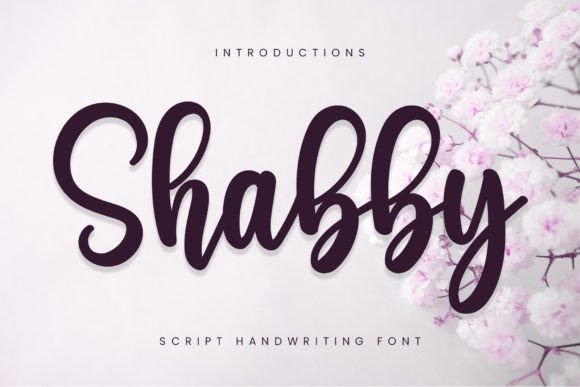
When it comes to typography, the right font can transform a design from ordinary to extraordinary. One such font that has captured the hearts of designers and creators is Shabby. This sweet and cursive handwritten font brings a gentle, romantic touch to any project. Whether you're working on branding, wedding invitations, or marketing materials, Shabby offers a unique blend of elegance and casual charm that can elevate your work.
Designed with a soft, flowing style, Shabby mimics the look of hand-drawn lettering, making it ideal for projects that require a personal and authentic feel. Its versatility allows it to fit seamlessly into a wide range of design contexts, from formal to casual. The font's natural imperfections add character, making each use of Shabby feel more like a handwritten note than a digital text.
Understanding the Purpose of Shabby
Shabby was created with the intention of providing a font that feels both artistic and approachable. It’s not just about aesthetics; it’s also about functionality. The font is designed to be readable while maintaining its distinctive style. This makes it suitable for a variety of applications where visual appeal and clarity are both important.
One of the key purposes of Shabby is to bring a sense of warmth and intimacy to designs. In a world dominated by sleek, modern fonts, Shabby offers a refreshing alternative that can make a design stand out. It’s particularly effective in projects that aim to convey a sense of nostalgia, romance, or creativity.
Features and Characteristics of Shabby
The most notable feature of Shabby is its cursive style, which gives it a fluid and graceful appearance. The letters flow smoothly from one to the next, creating a sense of movement that can draw the eye and guide the reader through the text. This makes it especially effective for headings, titles, and other prominent elements in a design.
Another characteristic of Shabby is its subtle variations in stroke weight. These variations mimic the natural inconsistencies of hand-drawn lettering, adding depth and dimension to the font. This detail enhances the font's authenticity and makes it feel more personal, as if it were written by hand rather than generated digitally.
Shabby also includes a range of stylistic alternates, allowing users to customize the look of their text. These alternates can be used to create unique variations of the same font, giving designers more flexibility in their creative process. Whether you’re looking for a more formal or a more playful version of the font, Shabby offers options to suit different needs.
Where Shabby Can Be Used
Shabby is incredibly versatile and can be used in a wide range of design projects. One of the most common applications is in branding and logo design. Its elegant yet approachable style makes it an excellent choice for businesses that want to convey a sense of warmth and personality. From boutique shops to artisanal brands, Shabby can help create a memorable and distinctive identity.
In the realm of weddings and special events, Shabby is a popular choice for invitations, signage, and other event-related materials. Its romantic and whimsical style perfectly complements the celebratory nature of weddings, making it a favorite among couples and event planners alike. The font can also be used for thank-you cards, programs, and other keepsakes that capture the essence of the occasion.
For greeting cards and stationery, Shabby adds a personal and heartfelt touch. Whether it's a birthday card, a holiday greeting, or a simple note, the font's soft and friendly appearance makes it ideal for conveying emotions and messages with sincerity. Its readability ensures that the message remains clear, even when styled with a more decorative approach.
Who Benefits from Using Shabby
Designers, artists, and creatives who are looking for a font that combines beauty with usability will find Shabby to be a valuable tool. Its unique style allows for creative expression while still maintaining a professional appearance. For those who want to add a personal touch to their work, Shabby provides the perfect solution.
Business owners and entrepreneurs can also benefit from using Shabby in their branding and marketing efforts. By incorporating this font into their logos, websites, and promotional materials, they can create a more engaging and memorable brand presence. The font's ability to convey warmth and authenticity can help build stronger connections with customers.
Additionally, individuals who are interested in DIY projects, such as scrapbooking, handmade crafts, or custom art, will find Shabby to be a useful addition to their toolkit. Its handwritten aesthetic can enhance the overall look of these projects, making them feel more personal and meaningful.
Strengths and Considerations
Shabby excels in situations where a soft, romantic, or nostalgic feel is desired. Its ability to convey emotion and personality makes it a powerful tool in the hands of a skilled designer. However, it’s important to consider the context in which the font is used. While it works well for headings and short phrases, it may not be the best choice for long blocks of text due to its cursive style and potential readability issues.
Another consideration is the availability of the font. Shabby may not be included in all font libraries, so users may need to download or purchase it separately. This can be a minor inconvenience for some, but it also means that those who use Shabby are often doing so intentionally, which can add to the font's exclusivity and appeal.
Finally, while Shabby is highly versatile, it may not be the best fit for every project. Designers should evaluate whether the font aligns with the overall tone and purpose of their work. In some cases, a more traditional or modern font may be more appropriate, depending on the desired outcome.
Real-World Applications of Shabby
One real-world example of Shabby in action is in the creation of a boutique clothing brand’s logo. By using this font, the brand can communicate a sense of craftsmanship and individuality that resonates with its target audience. The font’s soft curves and flowing lines complement the brand’s aesthetic, helping to establish a cohesive visual identity.
Another example is the use of Shabby in a wedding invitation design. Couples often choose this font to add a touch of elegance and romance to their invitations. The font’s handwritten style creates a personal and intimate feel, making the invitation feel more like a heartfelt message than a standard printed card.
In the realm of marketing, Shabby can be used in promotional materials such as flyers, posters, and social media graphics. Its stylish appearance can help catch the eye of potential customers while still maintaining a sense of professionalism. When used effectively, the font can enhance the overall impact of the message being conveyed.
How to Evaluate Suitability for Your Projects
If you're considering using Shabby in your design projects, there are a few factors to take into account. First, think about the tone and message you want to convey. Does the font align with the overall theme of your work? If you're aiming for a more formal or corporate look, Shabby may not be the best choice. However, if you're going for a creative, romantic, or casual vibe, it could be an excellent fit.
Next, consider the readability of the font. While Shabby is designed to be legible, it’s important to test it in different sizes and formats to ensure that it remains clear and easy to read. This is especially important if the text will be used in a variety of contexts, such as on a website, in print, or on social media.
Finally, explore the available resources and tools that can help you incorporate Shabby into your workflow. Many design platforms offer access to a wide range of fonts, including Shabby, making it easier than ever to experiment with different styles and see how they perform in practice.
By understanding the strengths, characteristics, and applications of Shabby, you can make informed decisions about how to use it in your own projects. Whether you're a designer, a business owner, or a creative enthusiast, this font offers a unique and expressive way to add personality and charm to your work.