The Goodfather: A Bold and Dramatic Typestyle for Every Project
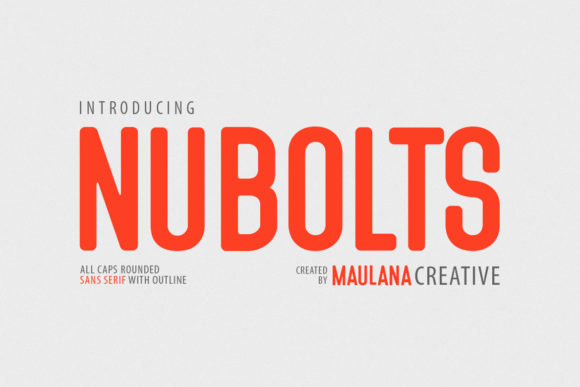
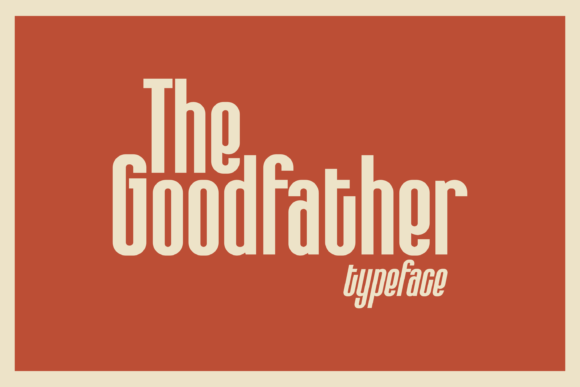
The Goodfather is a condensed sans serif font that blends a vintage aesthetic with modern simplicity. Its clean lines and strong visual presence make it an ideal choice for designers looking to add a touch of retro flair without sacrificing readability. Whether you're working on a logo, a poster, or a social media graphic, The Goodfather offers a versatile and eye-catching solution.
Understanding The Goodfather: A Unique Blend of Style and Function
At first glance, The Goodfather appears to be a straightforward sans serif typeface, but its design carries a distinct character that sets it apart from other fonts in the same category. The font’s condensed structure gives it a bold and dramatic look, making it perfect for headlines and titles where impact is key. Despite its weight, The Goodfather remains highly legible, ensuring that your message is clear and easy to read even at smaller sizes.
The Goodfather’s vintage influence is subtle yet unmistakable. It evokes the feel of classic typography used in mid-20th-century posters and branding, while its modern structure keeps it relevant for contemporary design projects. This balance between old and new makes The Goodfather a go-to choice for creators who want to infuse their work with a sense of history and sophistication.
Key Features and Characteristics of The Goodfather
- Condensed Structure: The Goodfather’s narrow width allows for more text to fit in a limited space, making it ideal for designs that require a compact layout.
- High Legibility: Despite its bold appearance, The Goodfather maintains excellent readability, especially in larger sizes or when used for headings and titles.
- Vintage Aesthetic: The font’s design elements reflect a retro style, giving it a nostalgic appeal that can enhance the visual storytelling of any project.
- Modern Simplicity: The clean lines and lack of decorative flourishes ensure that The Goodfather fits seamlessly into modern design trends.
Where to Use The Goodfather: Versatility Across Industries
The Goodfather’s adaptability makes it suitable for a wide range of applications. From print to digital, this font can elevate the visual appeal of your work in various formats. Here are some common use cases:
- Logos and Branding: The Goodfather’s bold and dramatic look makes it an excellent choice for logos that need to stand out and convey a strong identity.
- Posters and Banners: With its condensed form and high visibility, The Goodfather is ideal for creating eye-catching headlines on posters, banners, and signage.
- Social Media Graphics: Whether you’re designing a YouTube thumbnail or a Facebook post, The Goodfather adds a professional and stylish touch to your content.
- Book Covers and Stationery: For authors, publishers, and designers, The Goodfather can give a book cover or business card a timeless and elegant look.
- Packaging and Labels: The font’s legibility and visual impact make it a great option for product packaging, labels, and price tags.
Business owners and creatives alike can benefit from using The Goodfather in their projects. Its versatility ensures that it can be applied across different industries, from fashion and entertainment to food and retail.
Strengths and Considerations When Using The Goodfather
The Goodfather excels in situations where visual impact and clarity are essential. Its condensed form allows for efficient use of space, which is particularly useful in advertising and editorial design. Additionally, its vintage-inspired style can help create a unique brand identity that resonates with audiences.
However, it’s important to consider the context in which you use The Goodfather. While it works well for headlines and titles, it may not be the best choice for long blocks of body text due to its narrow width and bold weight. In such cases, pairing The Goodfather with a more traditional sans serif or serif font can provide a balanced and readable layout.
Another consideration is the font’s suitability for different mediums. While it performs well in digital formats, its effectiveness on print materials depends on the quality of the output. High-resolution printing will ensure that The Goodfather retains its sharpness and clarity.
Real-World Applications of The Goodfather
Let’s explore a few real-world scenarios where The Goodfather has been successfully used:
- Retro-Inspired Branding: A boutique clothing store might use The Goodfather for its logo and packaging to evoke a sense of nostalgia and craftsmanship.
- Music Album Art: An independent musician could choose The Goodfather for their album cover to create a bold and memorable visual identity.
- Food Packaging: A craft brewery might use The Goodfather on its beer labels to add a vintage charm that appeals to beer enthusiasts.
- Online Content: A YouTube creator could use The Goodfather for their video thumbnails to grab attention and reinforce their channel’s aesthetic.
These examples illustrate how The Goodfather can be tailored to suit different creative needs while maintaining a cohesive and professional look.
How to Evaluate The Goodfather for Your Project
Before incorporating The Goodfather into your design, consider the following factors:
- Project Requirements: Determine whether the font’s characteristics align with your design goals. Is it necessary for a headline, or would it be better suited for a specific element?
- Target Audience: Think about how your audience will perceive the font. Will it resonate with them, or does it risk being too unconventional?
- Design Balance: Ensure that The Goodfather complements other design elements rather than overpowering them. Experiment with different pairings to find the right balance.
- Technical Constraints: Check if the font is available in the required format and if it supports the languages and characters needed for your project.
Evaluating these aspects will help you make an informed decision about whether The Goodfather is the right choice for your work.
Conclusion: Embrace the Power of The Goodfather
The Goodfather is more than just a font—it’s a design tool that can bring a unique and powerful visual identity to your projects. Its combination of vintage charm and modern functionality makes it a valuable asset for designers, business owners, and creators across various fields. By understanding its strengths and limitations, you can harness The Goodfather’s potential to elevate your work and leave a lasting impression on your audience.